How to Keep Hearing Aids Working in Cold Weather
You probably didn’t think much about how winter would affect your


By: admin | November 18, 2025
Smart home devices are changing how people with hearing challenges manage everyday situations that used to cause stress or inconvenience.
Missing the doorbell, not hearing the phone ring or sleeping through an alarm can create real problems in daily life, from missed deliveries to safety concerns. These tools work alongside your existing hearing care rather than replacing it, giving you multiple ways to stay aware of what’s happening in your home.
For someone dealing with hearing loss, this kind of support removes the constant worry about missing important sounds and reduces the mental effort required to stay tuned in to your surroundings.
Using smart home technology for hearing care is about making your life simpler and reducing the gaps where hearing challenges create frustration or isolation.
It’s a simple and straightforward way to improve how you interact with your home, the people around you and activities you enjoy.
Smart technology has grown from simple household gadgets into tools that shape how we manage everyday tasks. Early versions of these devices were basic timers, remote controls or single-purpose electronics that offered small conveniences but limited flexibility.
Over time, advances in sensors, wireless features and mobile phones created a foundation for the smart devices we use today.
What began as simple automation has turned into technology that can learn your preferences, respond to your routines and communicate with the tools you already use.
You may already rely on voice-activated assistants to turn lights on, play music or set reminders without lifting a finger.
Smart thermostats help you adjust temperatures with ease; video doorbells can send alerts to your phone or hearing device; and many appliances can be monitored or programmed from wherever you are.
These tools are designed to make daily life smoother, reduce extra steps and give you a home environment that feels easier to manage.
Smart home devices can add an extra layer of safety and reassurance, especially if you have hearing loss and want to feel more aware of what is happening in your home.
These tools are designed to work quietly in the background while giving you clear alerts in ways that fit your needs.
Many platforms can sync with alarms or sensors so you do not have to rely only on sound to know when something requires your attention. This creates a home environment that feels more responsive and easier to manage.
Today’s smart home devices can:
Modern hearing aids and hearing devices often feature Bluetooth or wireless technology, allowing them to link directly with smart home systems. This makes it possible to hear doorbells, alarms or phone calls right through your hearing device.
Benefits of connecting your hearing device to smart home products include:
Smart home systems designed for hearing loss often include visual alerts, notifications and direct connections to hearing devices.
These features help you notice important events, like a ringing doorbell or smoke alarm, even if you do not hear them clearly. You can customize how you receive alerts, like flashing lights in different rooms or pulsations through wearable devices.
Voice control also allows you to adjust settings or check notifications without using your hands.
Many smart home products connect wirelessly with hearing aids and other hearing devices, so you can receive alerts and control devices directly from your hearing aid.
Voice assistants like Amazon Alexa, Google Assistant and Apple Siri have become helpful tools for people with hearing loss because they make many tasks easier to handle without needing to hear every detail.
You can adjust lighting, play music, set timers, create shopping lists or get quick answers with simple voice commands, which reduces the need to search for buttons or screens.
These assistants can also connect with smart home products, giving you more control over your environment in a way that feels natural and low effort.
Another important benefit is the ability to receive information in multiple formats.
If spoken responses are hard to hear, many assistants can send visual alerts to your phone, display written responses on a smart screen or provide notifications through a smartwatch.
Voice assistants also make it easier to manage reminders for medications, appointments or daily tasks, helping you stay organized while keeping frustration low.
Smart doorbells can help you feel safer at home. These devices use lights, phone alerts or direct signals to your hearing device when someone is at the door, so you never have to worry about missing a visitor or delivery.
A recent report found that homes with smart doorbells are less likely to experience package theft, as homeowners can respond more quickly to alerts.
This added awareness helps protect your home and gives you more confidence in handling daily tasks and staying connected with what is happening outside.
Smart televisions and audio streaming devices can make watching TV and movies much easier. Many products now connect directly to hearing aids or hearing devices, sending sound straight to your ears and reducing background noise.
This direct connection often means clearer speech and less effort to hear dialogue, even during busy or loud scenes. You can also adjust the volume just for yourself without changing it for others in the room.
Custom alerts and notifications help you stay aware of important household events. About 60 percent of smart home users with hearing loss report that personalized alerts make them feel safer and more independent at home.
These systems let you choose how you want to be notified when something happens, like a door opening, an appliance finishing its cycle or a window left open.
You can set your phone or smartwatch to vibrate, flash lights in certain rooms or even send signals directly to your hearing device. Many devices work together through smartphone apps, making it easier to manage all your notifications from one place.
Remote controls and smartphone apps simplify managing hearing devices and smart home products. You can adjust settings, change the volume or switch programs without touching your hearing device directly.
Many remote controls are easy to use and offer quick access to important features, helping you make adjustments quietly and privately at home or in public.
Smart lighting systems offer clear visual cues around the home. Lights change color when certain events happen, like the doorbell ringing or a smoke alarm sounding.
Some benefits and drawbacks of smart lighting for visual alerts:
While these systems make it easier to notice alerts, they may not be as helpful if you are not in the same room or during a power outage.
Routine settings in smart home devices help you manage daily tasks automatically. These routines can match your schedule, making mornings, evenings and other parts of your day easier.
Examples of what routine settings can do:
Managing all your connected devices is much simpler with smartphone apps.
Many hearing device brands offer their own apps that let you adjust volume, change programs and check battery life from your phone. You can also control smart home products like lights, doorbells or thermostats without separate remotes.
To get the most out of these features, keep your app updated, learn the basic settings for quick changes and ask your audiologist about which apps work best with your specific devices.
Privacy and security are important when using smart home technology. These devices often collect personal information, like your daily routines or when you are at home. Protecting your digital information is as important as keeping your house secure.
Many smart home products use wireless connections, which can be targets for hackers if not set up carefully. Using strong passwords and keeping your devices updated helps keep unwanted access away.
Review privacy policies and adjust settings on each device to limit how much data is shared. You control who gets access to your smart devices and information.
Taking these steps helps protect both your safety and personal details while you enjoy the benefits of smart technology.
When selecting smart devices for your home, consider your daily routines and which features would be most helpful. Look for products that work well with your hearing aids or hearing devices, especially those with Bluetooth or wireless connections.
Check if the device offers visual alerts, vibration notifications or direct streaming to your hearing device.
Some products are easier to use than others, so think about how simple the controls are and whether you can manage them through a smartphone app. Choosing the right devices helps you feel more comfortable and confident at home.
Smart home technology gives you practical ways to stay aware of what is happening around you without feeling overwhelmed or constantly on alert.
When your home can send you visual cues, pulsations or notifications, it becomes easier to move through your day with fewer interruptions and less worry about missing something important.
These tools blend into your routine, offering steady support that helps you feel more at ease in your own space.
If you want help choosing tools that fit your needs, you can reach out to Little Rock Audiology Clinic in Little Rock, AR at (501) 664-5511.
We can work with you to explore options that match your hearing care plan and your everyday routines so your home feels comfortable, reassuring and easier to manage.
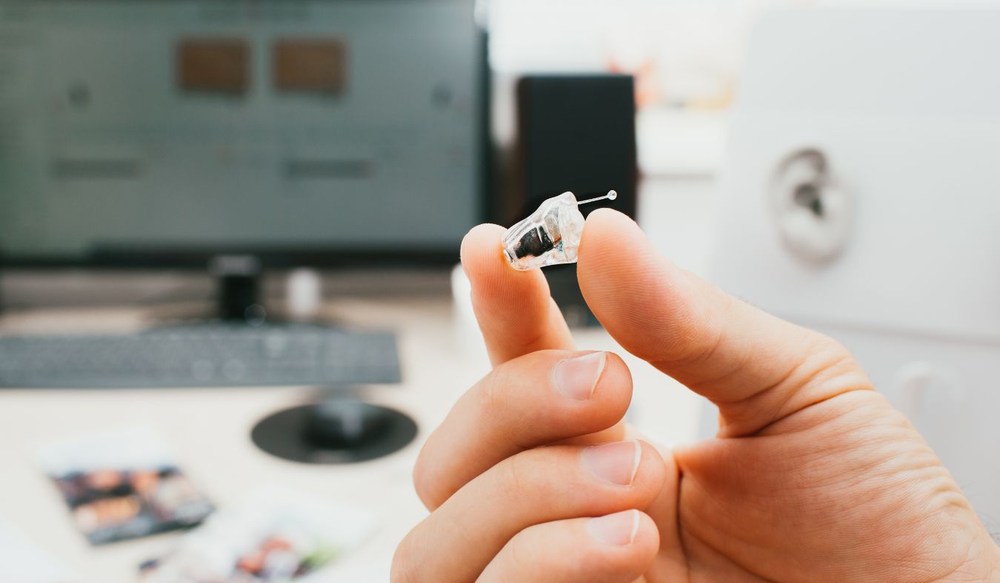
You probably didn’t think much about how winter would affect your
By: admin | January 19, 2026
Smart home devices are changing how people with hearing challenges manage
By: admin | November 18, 2025

You probably don’t realize how much work your brain does throughout
By: admin | September 24, 2025