Why Hearing Tests Vary Between Quiet and Noisy Environments
A Saturday morning at the River Market can get loud fast. Vendors are


By: Dr. Tracy Van Es | June 25, 2026
Little Rock has a way of pulling people into the community. The River Market district draws a crowd on weekends, and Friday nights in the fall belong to high school football in a way that feels distinctly Arkansas.
These are loud, social, people-filled spaces, and for anyone dealing with untreated hearing loss, they’re also exhausting in a way that’s hard to explain to someone who hasn’t experienced it.
Listening should not feel like work. When hearing becomes more difficult, many people spend so much energy trying to keep up with conversations that they leave social gatherings feeling worn out.
A dinner with friends, a family get-together or a community event can become more tiring than enjoyable. After a while, some people start making small changes. They skip a few gatherings. They contribute less to conversations.
They choose quieter activities instead. Those decisions often happen gradually, which is one reason hearing loss can affect quality of life long before someone decides to seek help.
Your ears and your brain work together every time you listen. Your ears pick up sound, but the mind is responsible for turning those sounds into words, conversations and meaning.
When hearing loss develops, the brain receives less information than it once did. As a result, listening can require more concentration, especially in places with background noise.
Think about what happens when you miss part of a sentence. Your mind immediately starts filling in the blanks using context, facial expressions and clues from the conversation. Most people can do this without realizing it.
The challenge is that when it happens throughout the day, listening can become more mentally demanding than it used to be.
Some people notice that they lose track of conversations more easily or have trouble remembering parts of a discussion later. In many cases, these changes happen gradually enough that they are easy to dismiss.
That is one reason hearing and cognitive health are so closely connected. Giving the brain better access to sound can reduce listening effort and make everyday communication easier to manage.
In Little Rock, a lot of life happens in places that are not exactly quiet. A Saturday at the farmers market. Dinner in the River Market District. A Razorbacks watch party with everyone talking. These are the kinds of settings where hearing loss often becomes obvious.
Many people with hearing loss say the same thing: they can hear people talking, but they cannot always make out the words. Conversations start to feel like puzzles with a few pieces missing. You can usually figure out what was said, but it takes more effort than it used to.
After a while, even familiar gatherings can start to feel like a chore. Common social challenges can include:
Hearing loss often shows up in relationships long before anyone talks about hearing loss. A spouse asks a question and gets no response.
Someone has to repeat the same story twice. A conversation gets interrupted by another, “What was that?” None of these moments seems important on its own, but they can become frustrating when they happen day after day.
The problem is that people rarely connect those frustrations to hearing right away. One person may feel ignored. The other may feel embarrassed about constantly missing parts of conversations.
Before long, both people are reacting to the frustration instead of the real issue behind it. Friends and family often notice changes as well. Someone who used to join every conversation becomes quieter. Family gatherings become less enjoyable.
It becomes easier to sit back and listen than risk misunderstanding what was said. Hearing loss affects more than communication. It can change the way people spend time together and relate to one another.
Listening should not feel like a full-body workout. When you have trouble hearing, your brain constantly tries to piece together fragmented words. This subconscious effort forces your body into a state of stress.
You might find yourself leaning forward or straining to catch every syllable. This constant tension can lead to chronic neck pain and tight shoulders. This does not just stop at your shoulders.
Many people experience frequent headaches from the sheer exhaustion of trying to follow daily conversations. You might feel completely wiped out by the end of the afternoon, even if you sat at a desk all day.
Your body is just exhausted from the non-stop work of decoding sounds.
Your inner ear does a lot more than just collect the sounds around you. It houses the intricate system that controls your balance and stability. Tiny structures inside your ear constantly send data to your brain about how your body moves.
Your brain relies on these signals to help you stay balanced while walking, turning or reaching for something. When the signals are not coming through clearly, even simple movements can start to feel unsteady.
A damaged hearing system forces your brain to work overtime just to understand speech. This mental pressure steals valuable energy away from managing your spatial awareness and steady footing.
Your mind becomes so preoccupied with listening that it fails to properly coordinate your steps. You might feel dizzy, unsteady or lightheaded during normal daily movements because of this strain.
Most people think about hearing in terms of conversations, but it also helps us stay aware of what is happening around us. We hear the smoke detector from another room. We notice a car backing out nearby. We hear someone calling our name before we see them.
When hearing changes, some of those everyday sounds become easier to miss. A doorbell may seem quieter than it used to. Announcements in public places can be difficult to understand.
Busy parking lots, intersections and other crowded environments may require more attention because important sounds are not as easy to pick out from the background noise.
These changes are not always dramatic, which is one reason they can go unnoticed. People often adapt without realizing it. They rely more on visual cues, double-check their surroundings more often or move a little closer when someone is speaking.
A good night of rest allows your body and mind to recharge for the next day. When you have unaddressed hearing loss, your brain stays on high alert even after you turn off the lights.
It constantly strains to listen for background noises and sounds that it cannot quite identify in the dark. This ongoing state of alertness keeps your mind too active to drop into deep, restorative REM sleep.
Improving your hearing can calm your nervous system and help you achieve a more restful night in several ways:
Hearing changes are easy to explain away at first. People may seem like they are mumbling. The television may need to be a little louder. Restaurants, family gatherings or group conversations may take more effort than they used to.
Other signs can show up during everyday routines. Phone calls may become harder to follow. You may miss a word here and there, then ask someone to repeat it. Some people notice ringing or buzzing sounds.
Others find themselves feeling more tired after long conversations because listening requires more concentration.
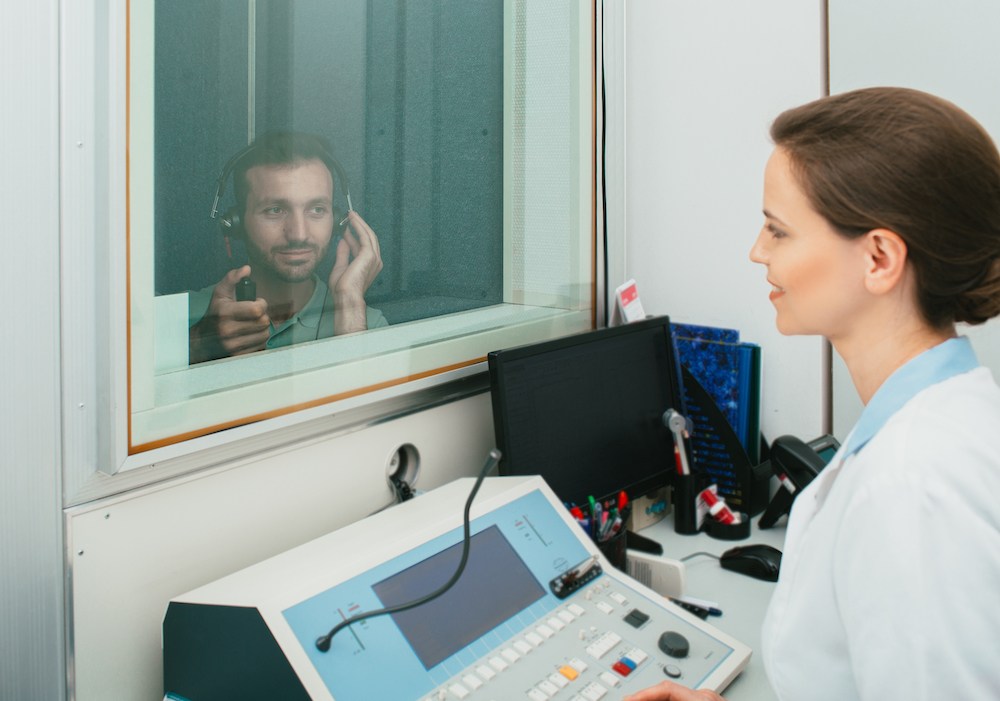
An audiologist can help determine what is actually causing those changes. The issue may be hearing loss, but it could also involve earwax, tinnitus or another hearing-related condition.
Beyond measuring your hearing levels, an audiologist looks at how these difficulties impact your daily life. They then recommend custom solutions based on your unique goals and listening environments.
Hearing loss doesn’t stay in one lane. It works its way into how tired you feel at the end of the day and how often you want to socialize. Ultimately, it drains the energy you used to bring to effortless situations.
Addressing it early keeps that from becoming the new normal. Most people who do are surprised by how much else improves along with their hearing. Little Rock Audiology Clinic is in Arkansas at (501) 664-5511. Give us a call and let’s figure out where your hearing stands.
A Saturday morning at the River Market can get loud fast. Vendors are
By: Dr. Tracy Van Es | July 26, 2026
Little Rock has a way of pulling people into the community. The River
By: Dr. Tracy Van Es | June 25, 2026

You probably didn’t think much about how winter would affect your
By: Dr. Tracy Van Es | January 19, 2026